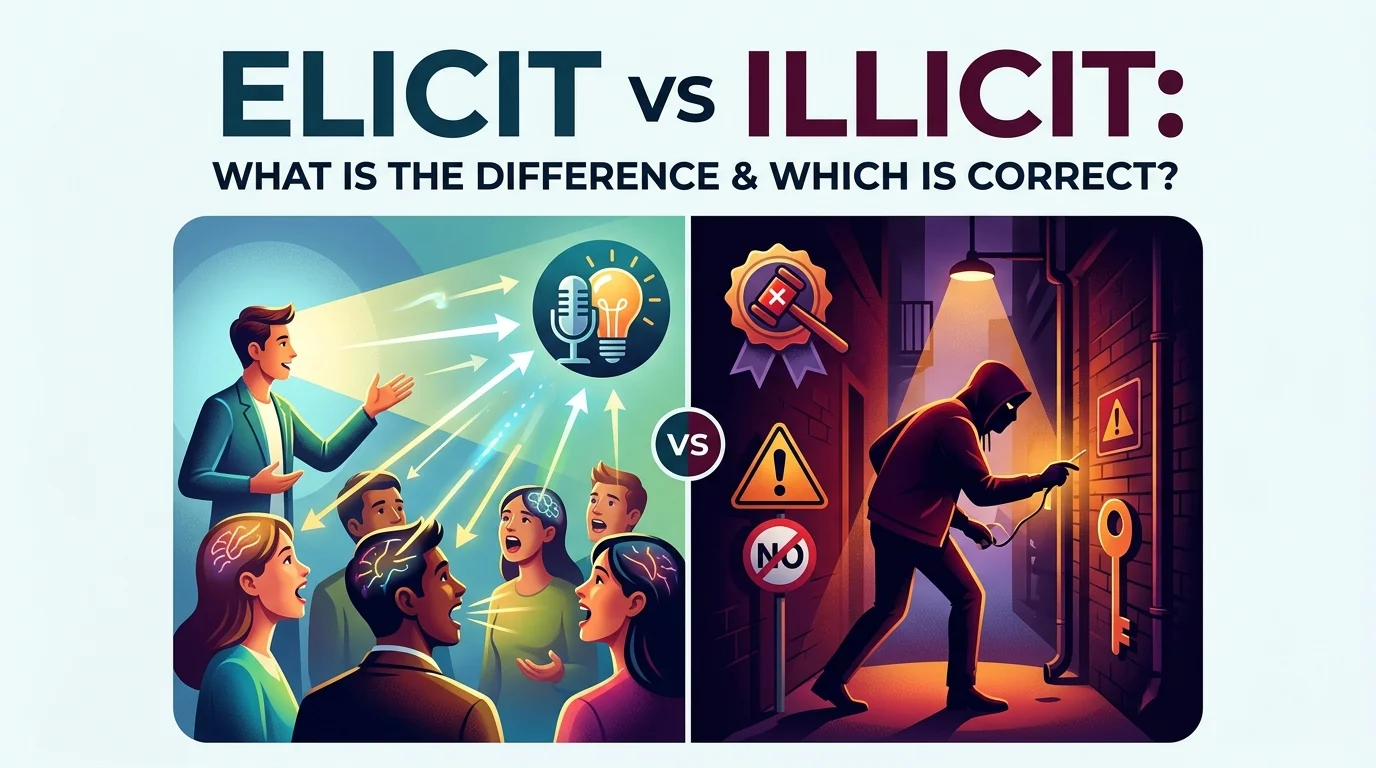
Elicit vs Illicit: What is the Difference & Which is Correct?
Many English learners confuse elicit and illicit because they sound almost the same, but they have completely different meanings. Using the wrong one can change … Read More
Many English learners confuse elicit and illicit because they sound almost the same, but they have completely different meanings. Using the wrong one can change … Read More
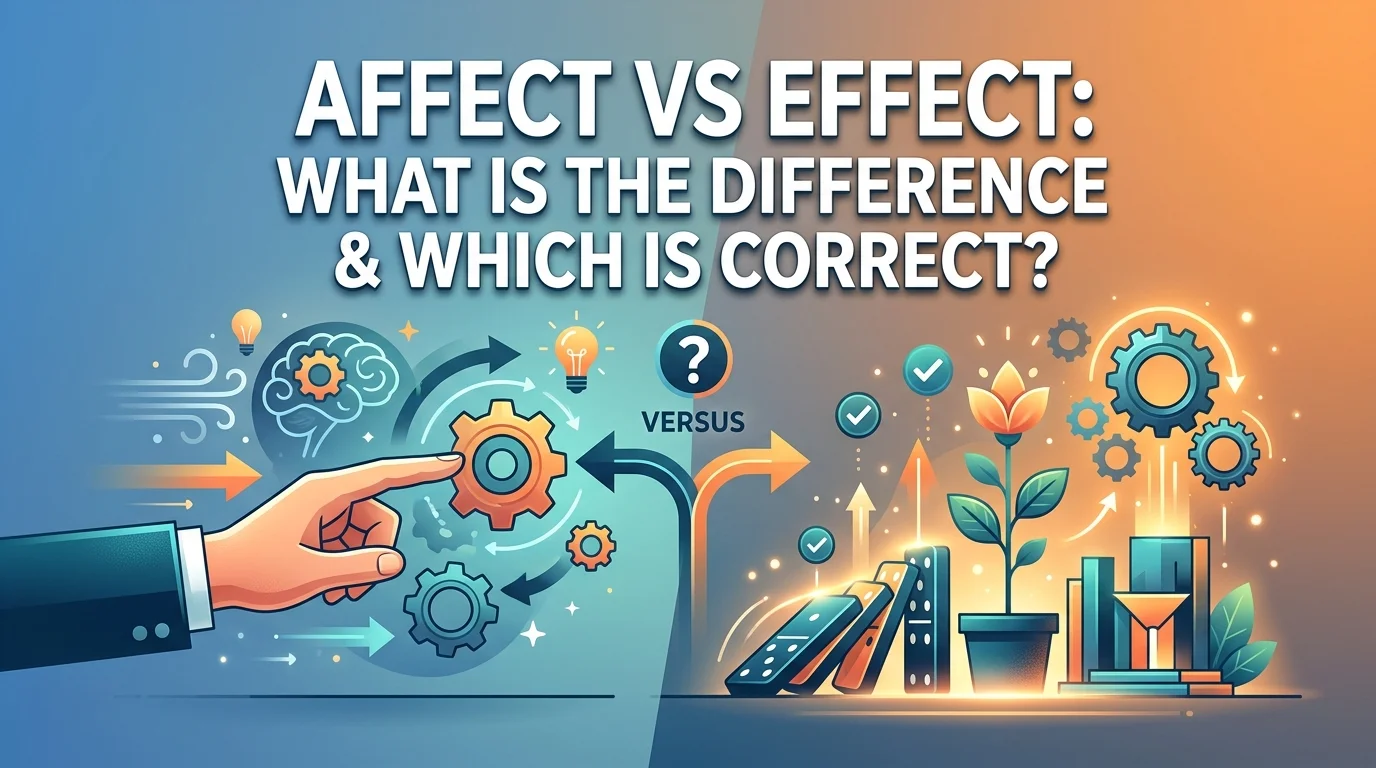
Many English learners struggle with affect vs effect because the two words look and sound similar but have different meanings and grammatical roles. Understanding the … Read More
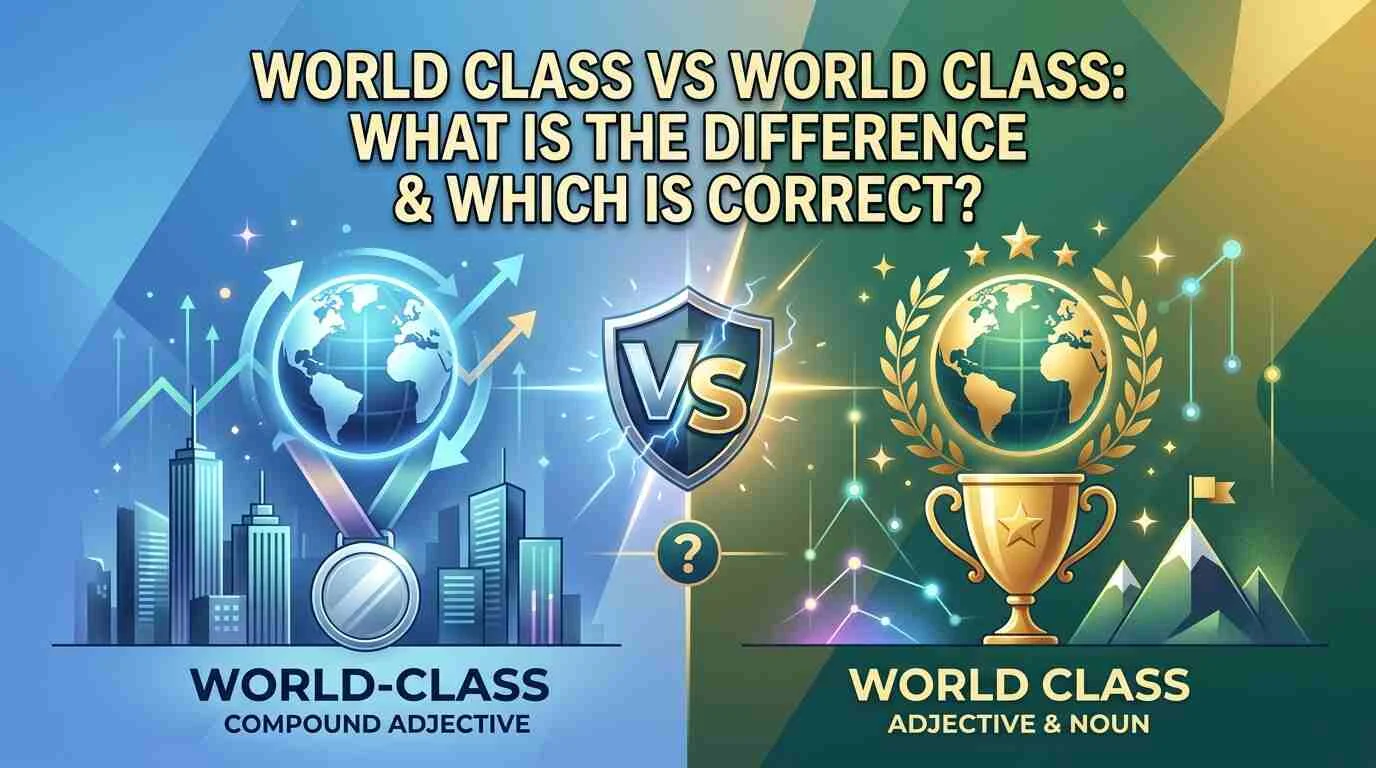
The comparison between World Class and World Class may seem unusual because both terms are the same. In fact, there is no difference between them … Read More
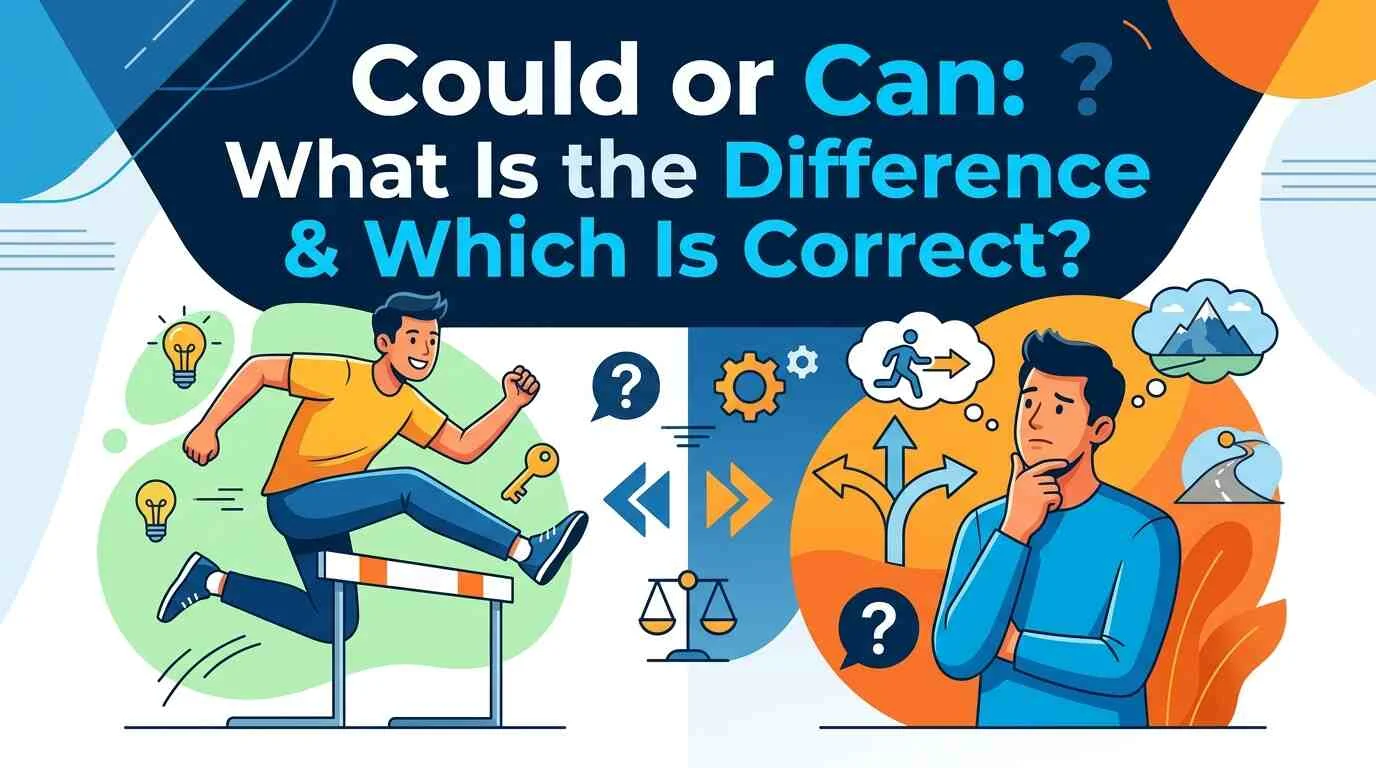
Choosing between could and can is one of the most common challenges for English learners. Although both words express ability, possibility, permission and requests, they … Read More
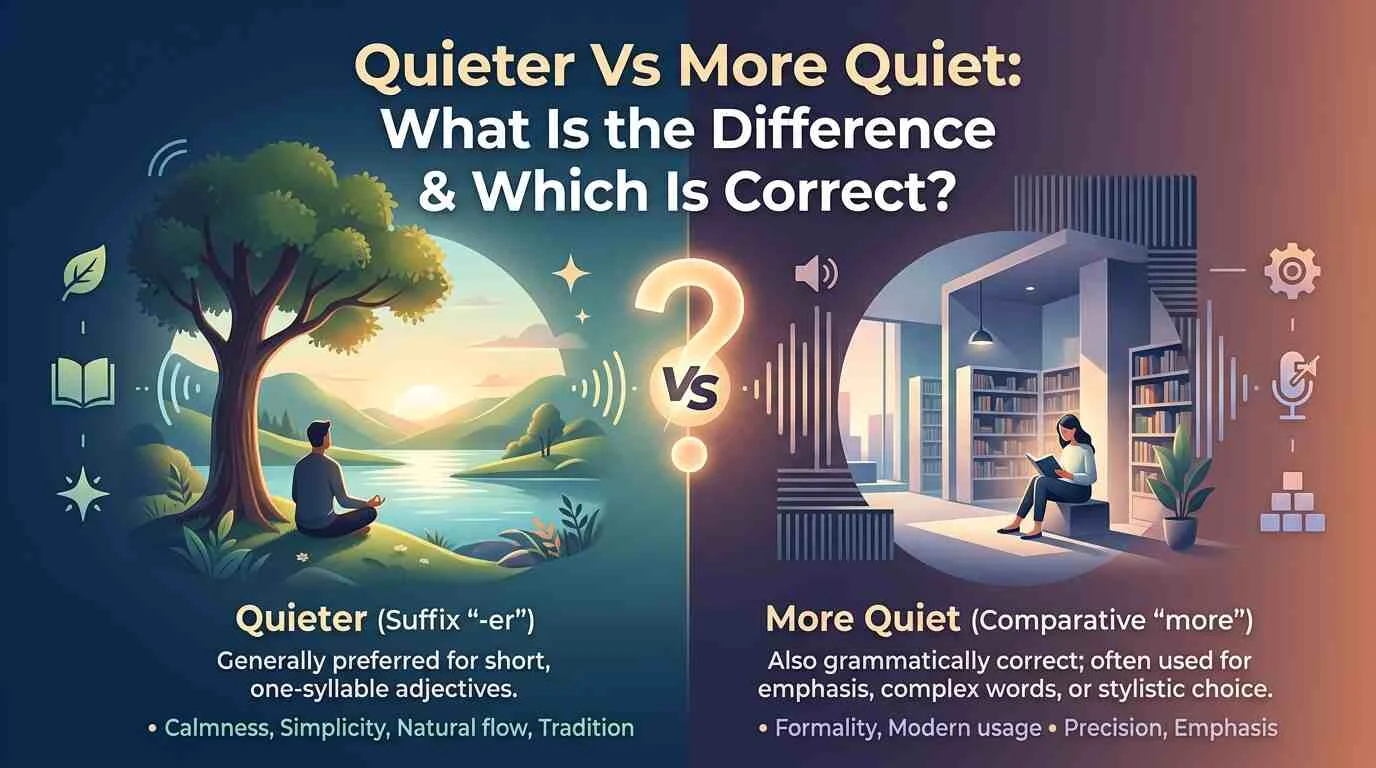
When comparing quieter and more quiet, many English learners wonder which form is grammatically correct. While both can sometimes appear in English, they are not … Read More
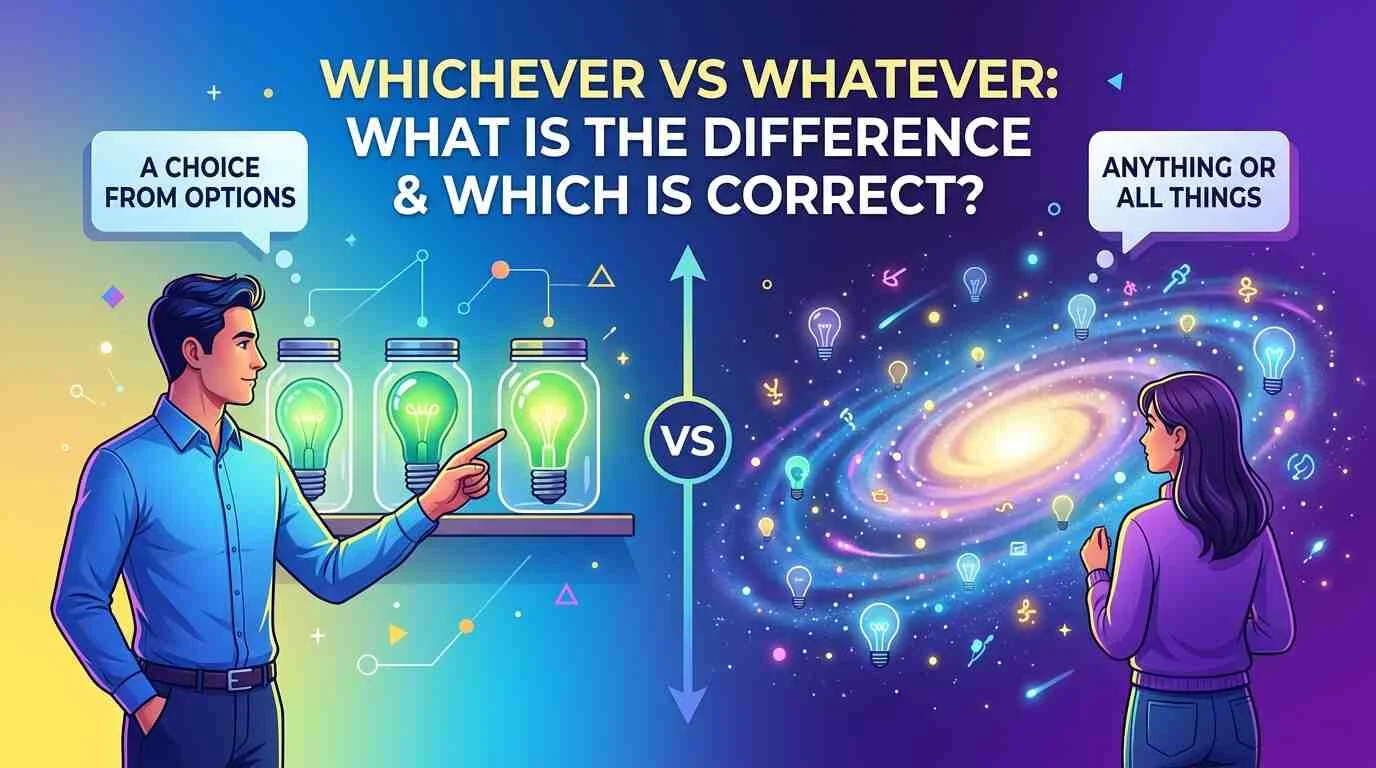
Choosing between whichever and whatever can be confusing because both words express flexibility or an unspecified choice. However, they are not always interchangeable. Understanding the … Read More

Confidence helps people speak, act and lead with assurance. Using the best similes for confidence makes your writing more vivid, relatable and memorable. Whether you’re … Read More
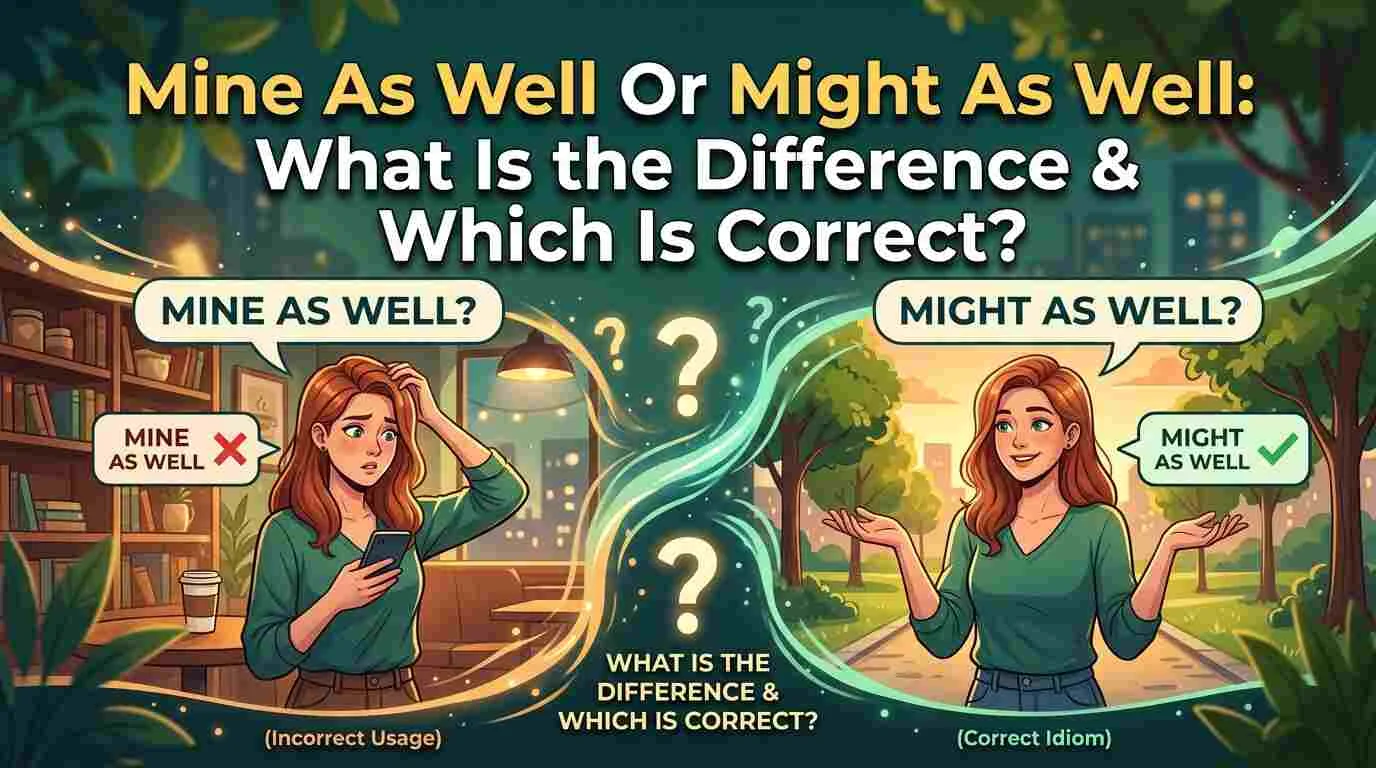
Many English learners get confused about whether to use “mine as well” or “might as well” because they sound almost identical in everyday speech. However, … Read More

Writing becomes more vivid when you compare ideas with colorful language. Best Similes For Slow help you describe people, animals, vehicles, emotions and actions in … Read More
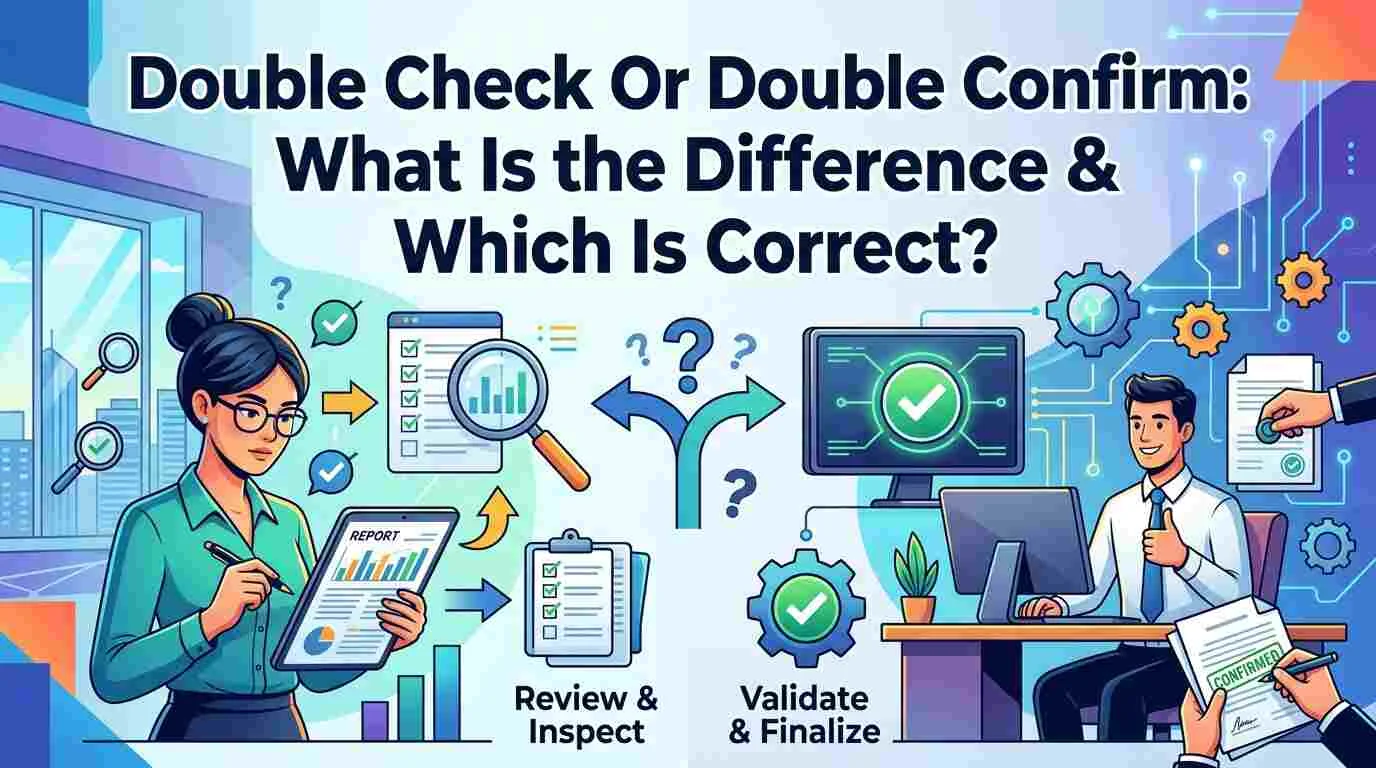
Many English learners wonder whether they should say double check or double confirm. Although both expressions suggest making sure something is correct, they are not … Read More
We provide clear, practical, and easy-to-understand language resources to help students, writers, professionals, and lifelong learners communicate with greater accuracy and confidence.
Contact Us