
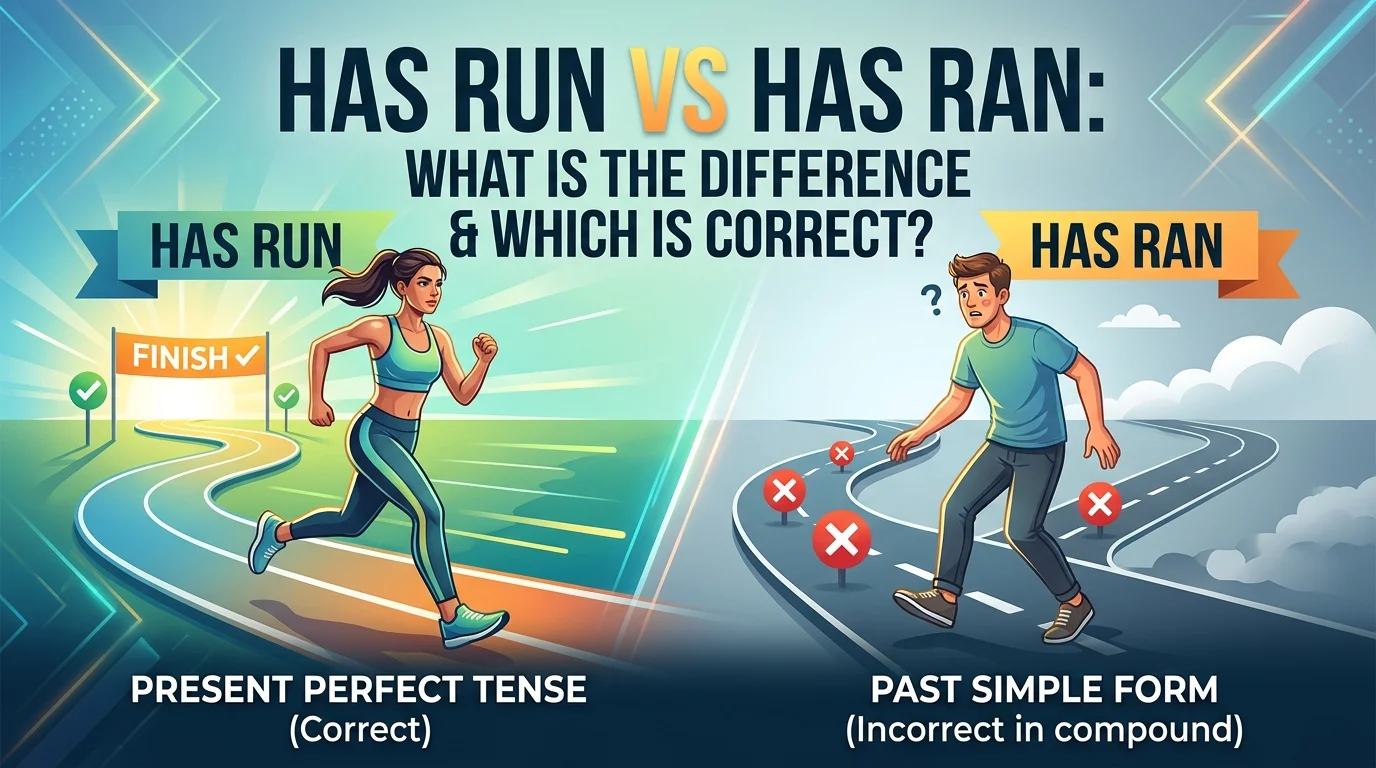
Has Run Vs Has Ran: What Is the Difference & Which Is Correct?
Many English learners get confused between has run vs has ran because both involve the verb run. However, only one of these forms is grammatically … Read More
Many English learners get confused between has run vs has ran because both involve the verb run. However, only one of these forms is grammatically … Read More
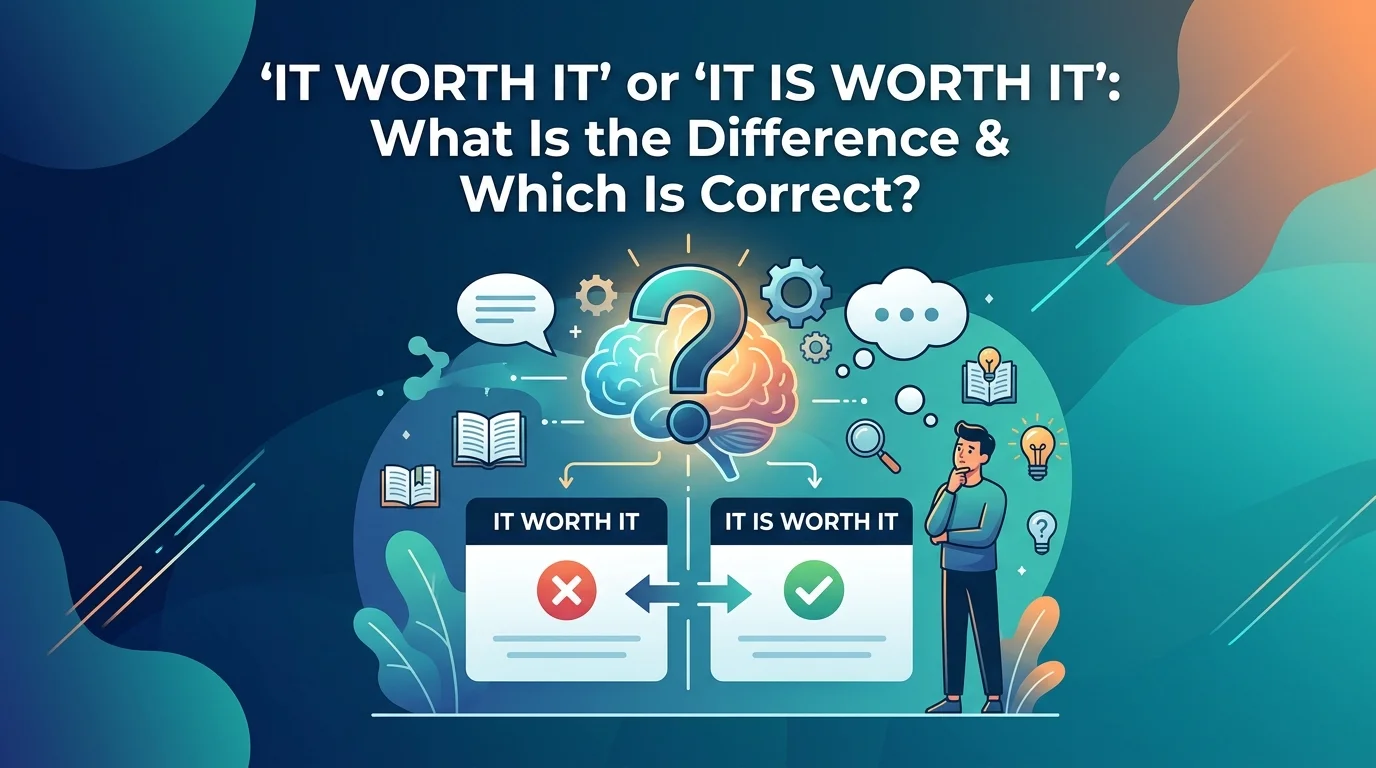
Many English learners wonder whether they should say “it worth it” or “it is worth it.” Although the two phrases look similar, only one is … Read More
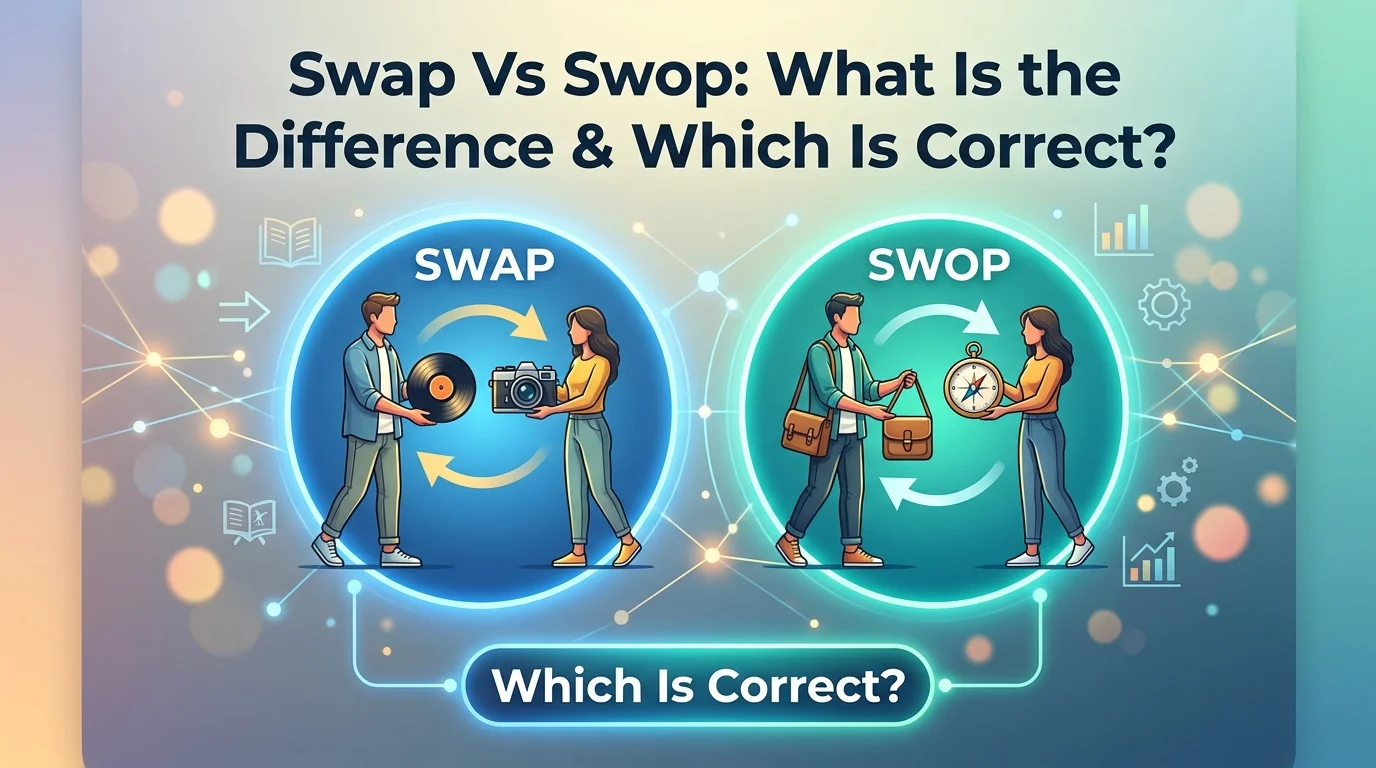
Many English learners wonder whether swap and swop mean different things or if one is more correct than the other. The confusion is understandable because … Read More
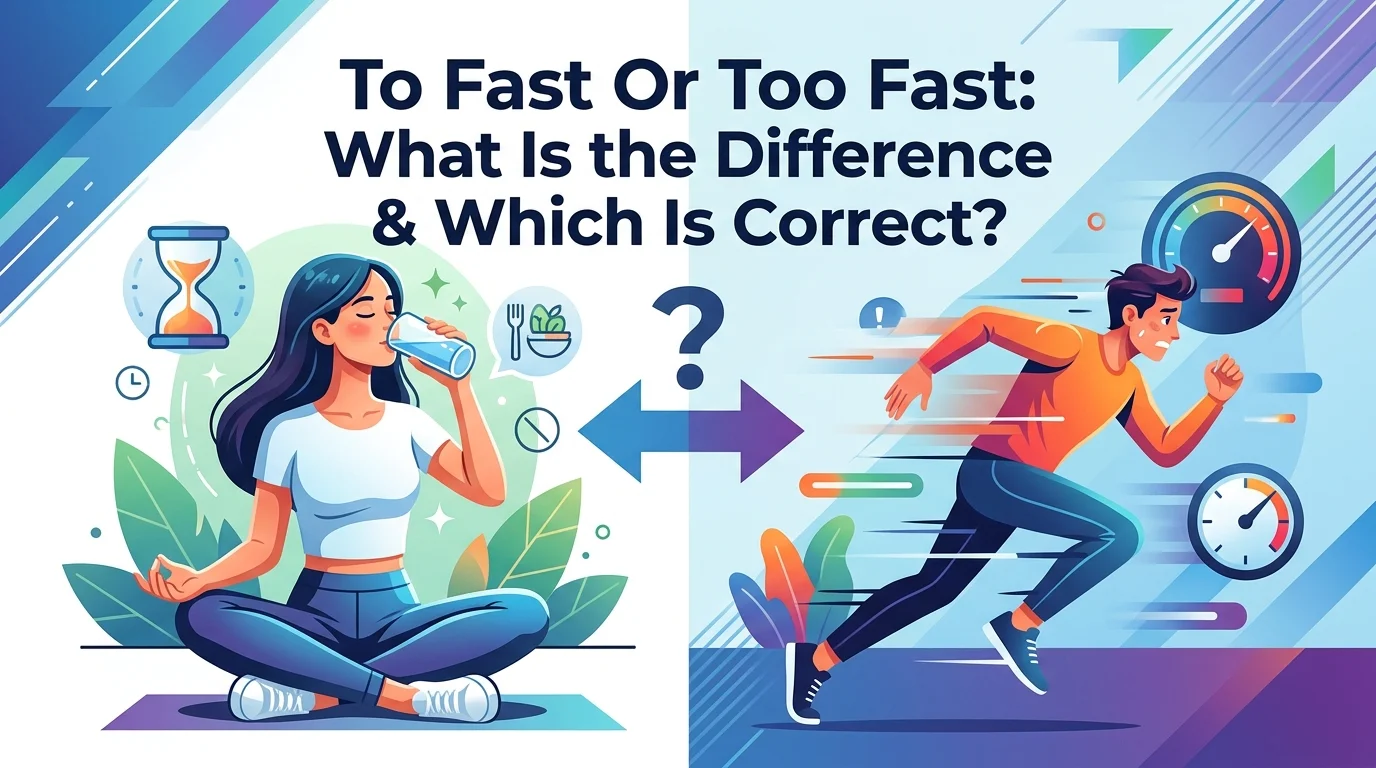
Many English learners get confused between to fast or too fast because they look very similar. However, they have completely different meanings and grammatical functions. … Read More

Many English learners confuse setup vs set up because they look almost identical. However, they have different grammatical roles and meanings. Knowing when to use … Read More
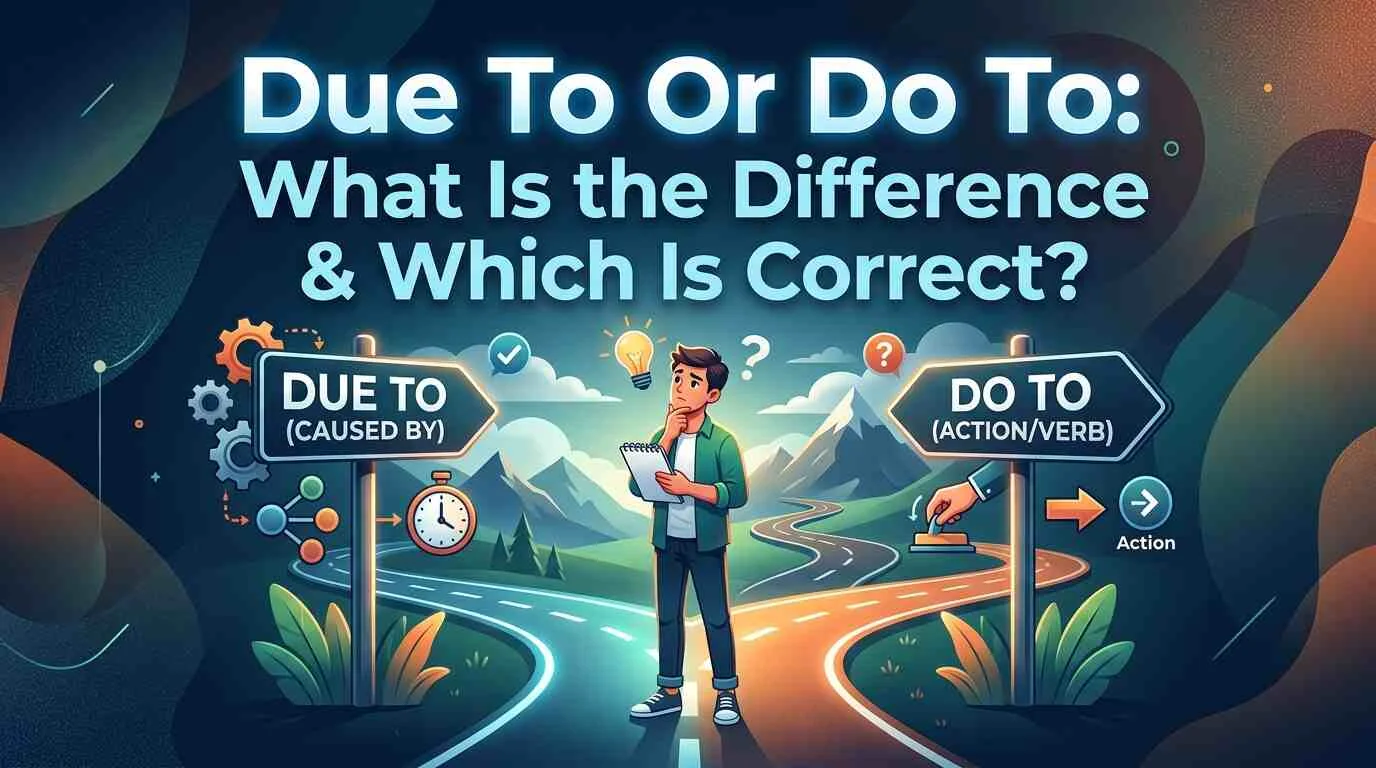
Many English learners confuse due to or do to because they sound almost identical when spoken. However, they have completely different meanings and grammatical functions. … Read More
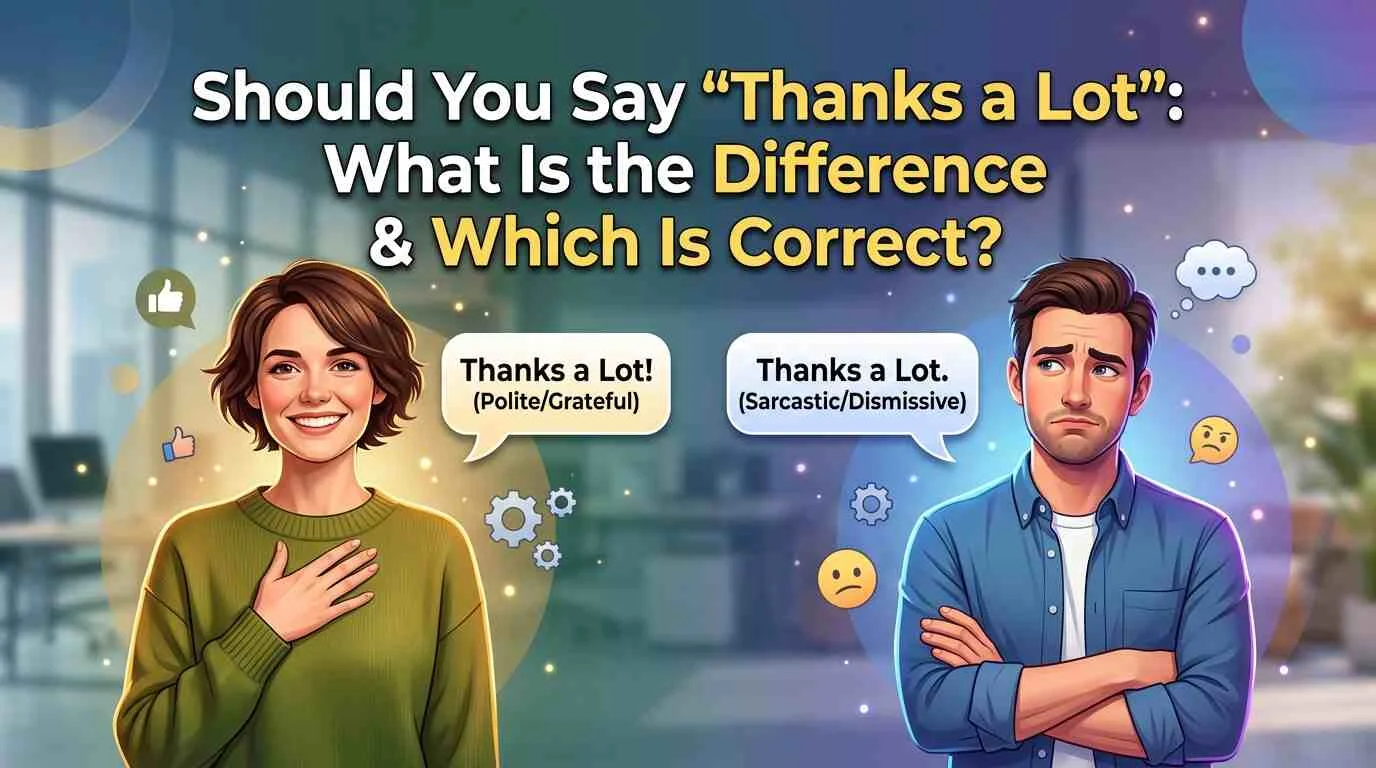
Many English learners wonder whether “thanks a lot” is always a polite expression or if it can sometimes sound rude or sarcastic. The answer depends … Read More
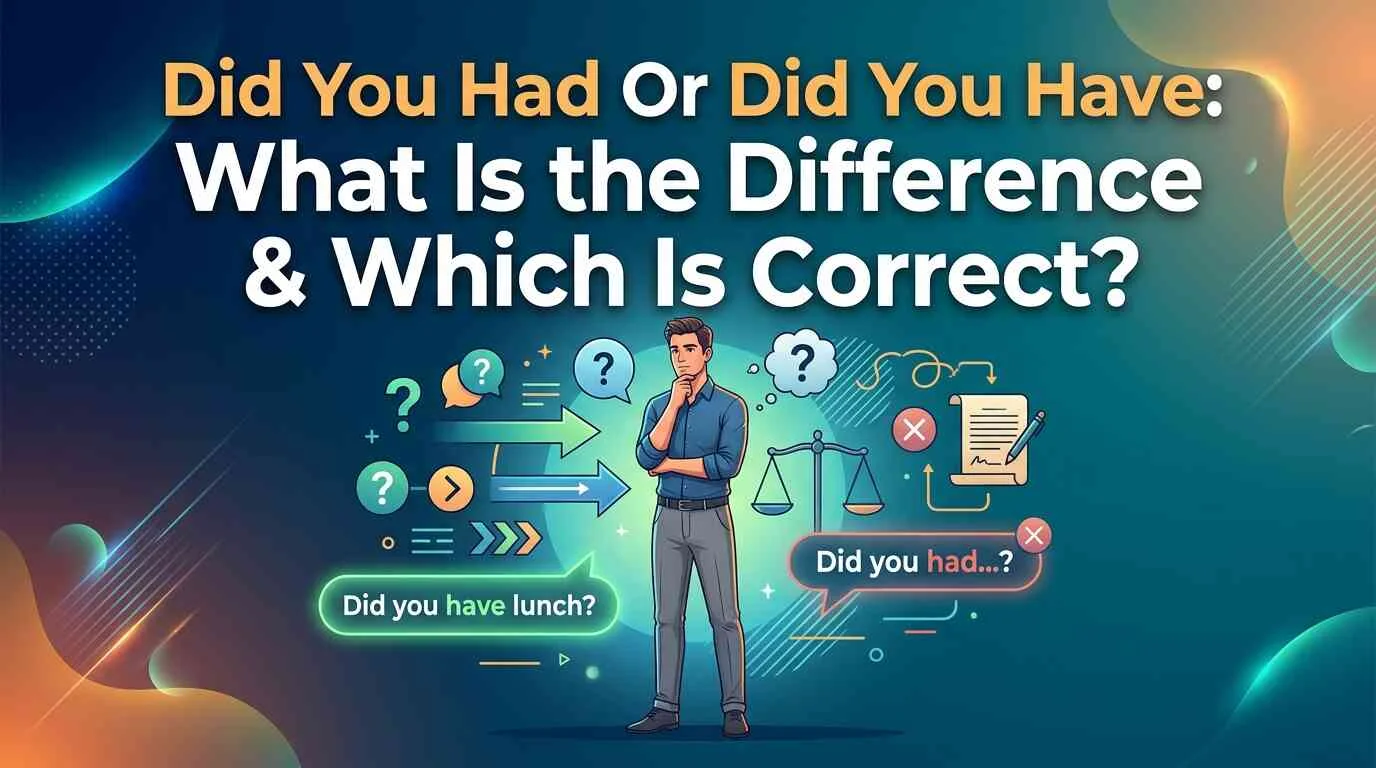
Many English learners get confused between “did you had” or “did you have” because both seem similar at first glance. However, only one of these … Read More
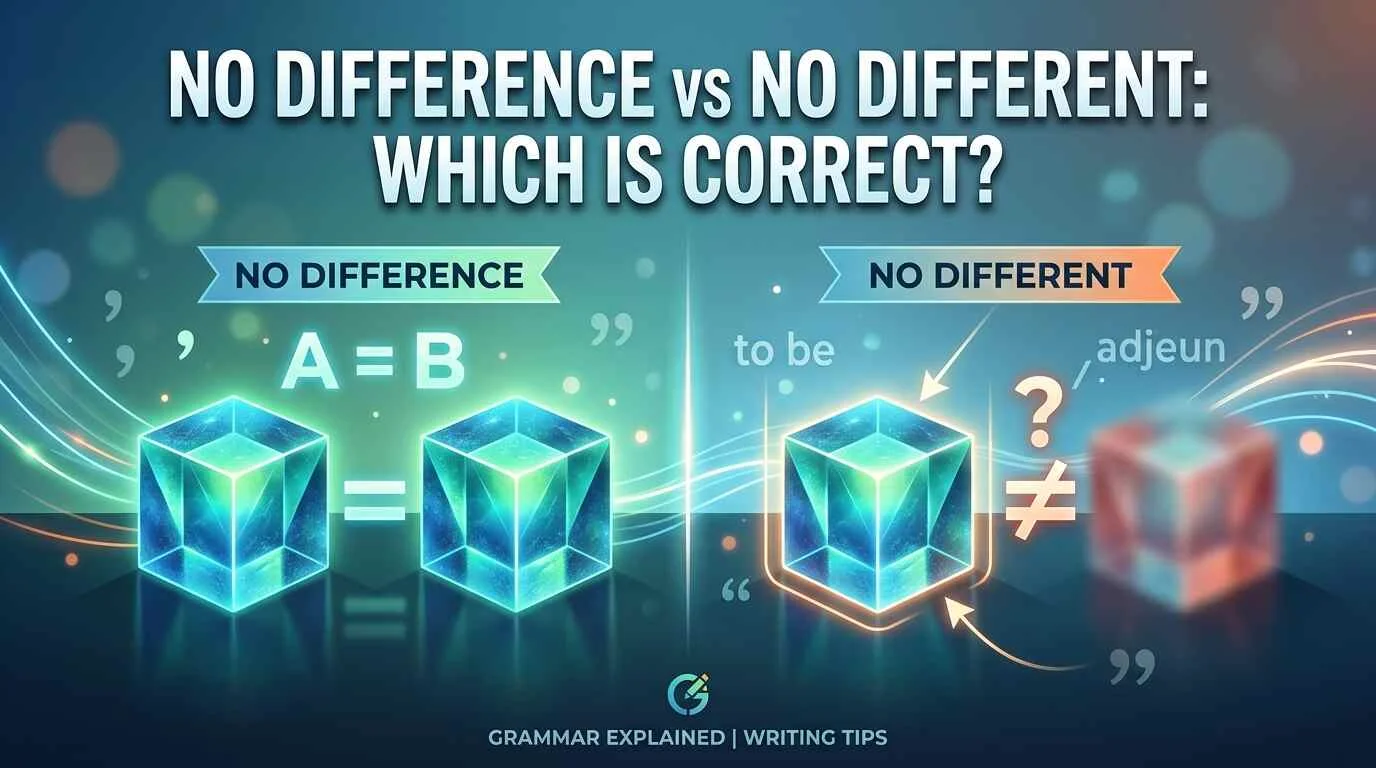
The phrases “no difference” vs“no different” look very similar, but they are used in different ways in English grammar. Many English learners confuse them because … Read More
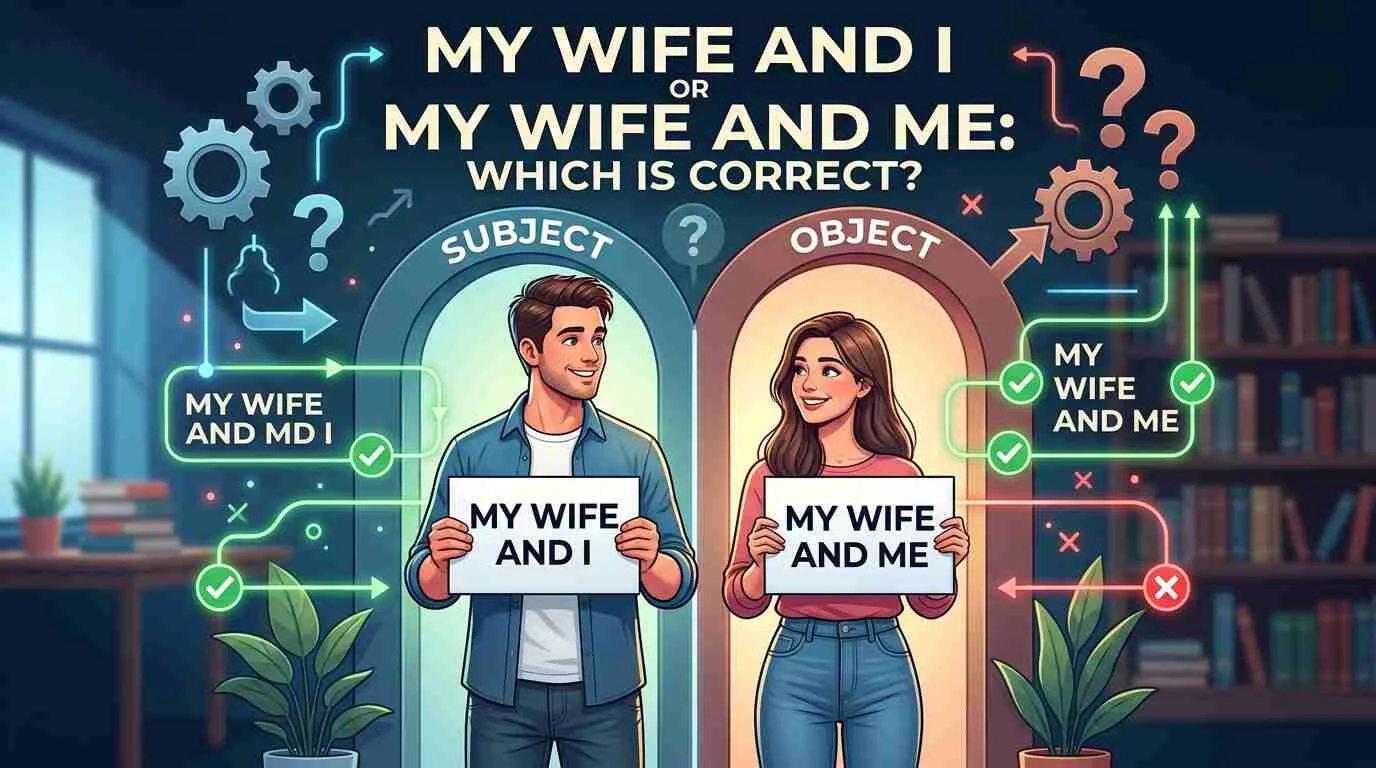
Many English learners get confused about whether to say “my wife and I” or “my wife and me.” Although both phrases refer to the speaker … Read More

We provide clear, practical, and easy-to-understand language resources to help students, writers, professionals, and lifelong learners communicate with greater accuracy and confidence.
Contact Us