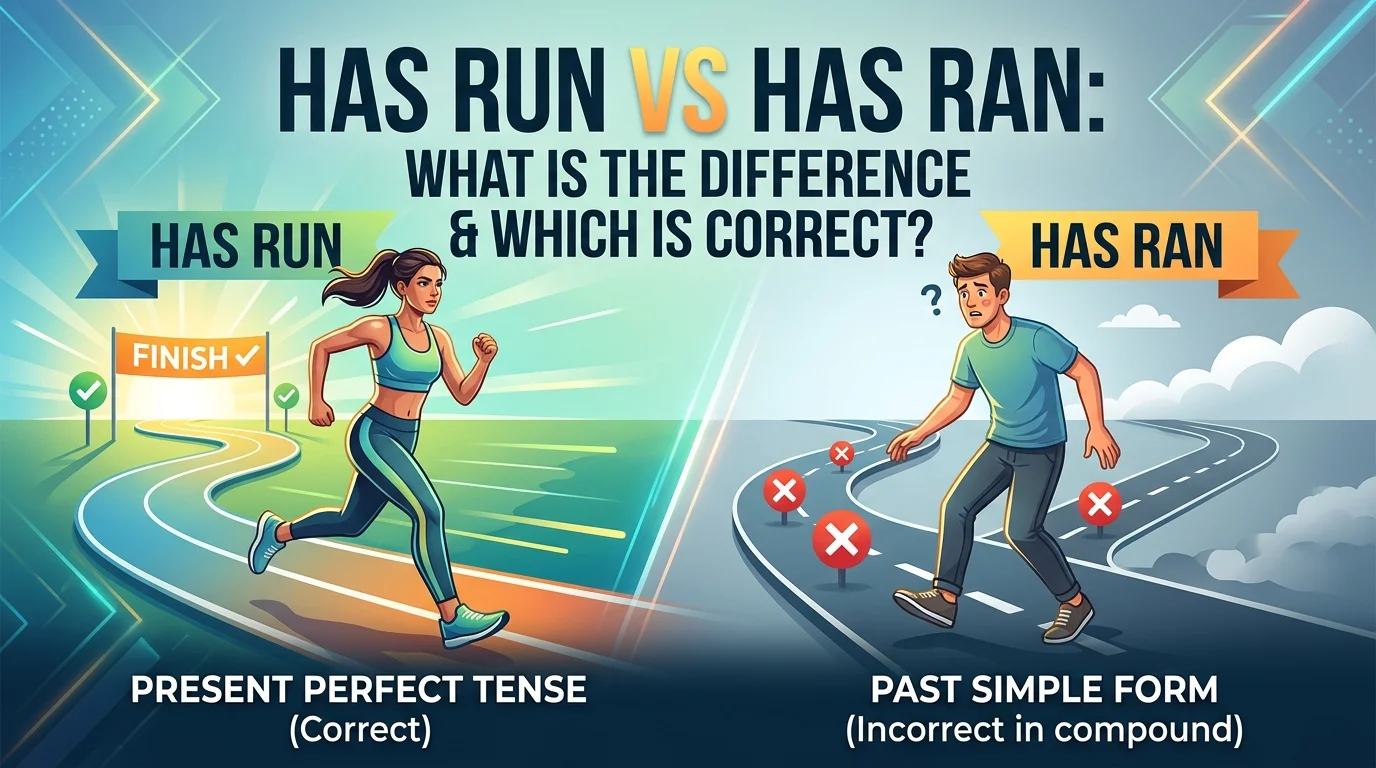
Has Run Vs Has Ran: What Is the Difference & Which Is Correct?
Many English learners get confused between has run vs has ran because both involve the verb run. However, only one of these forms is grammatically … Read More
Many English learners get confused between has run vs has ran because both involve the verb run. However, only one of these forms is grammatically … Read More
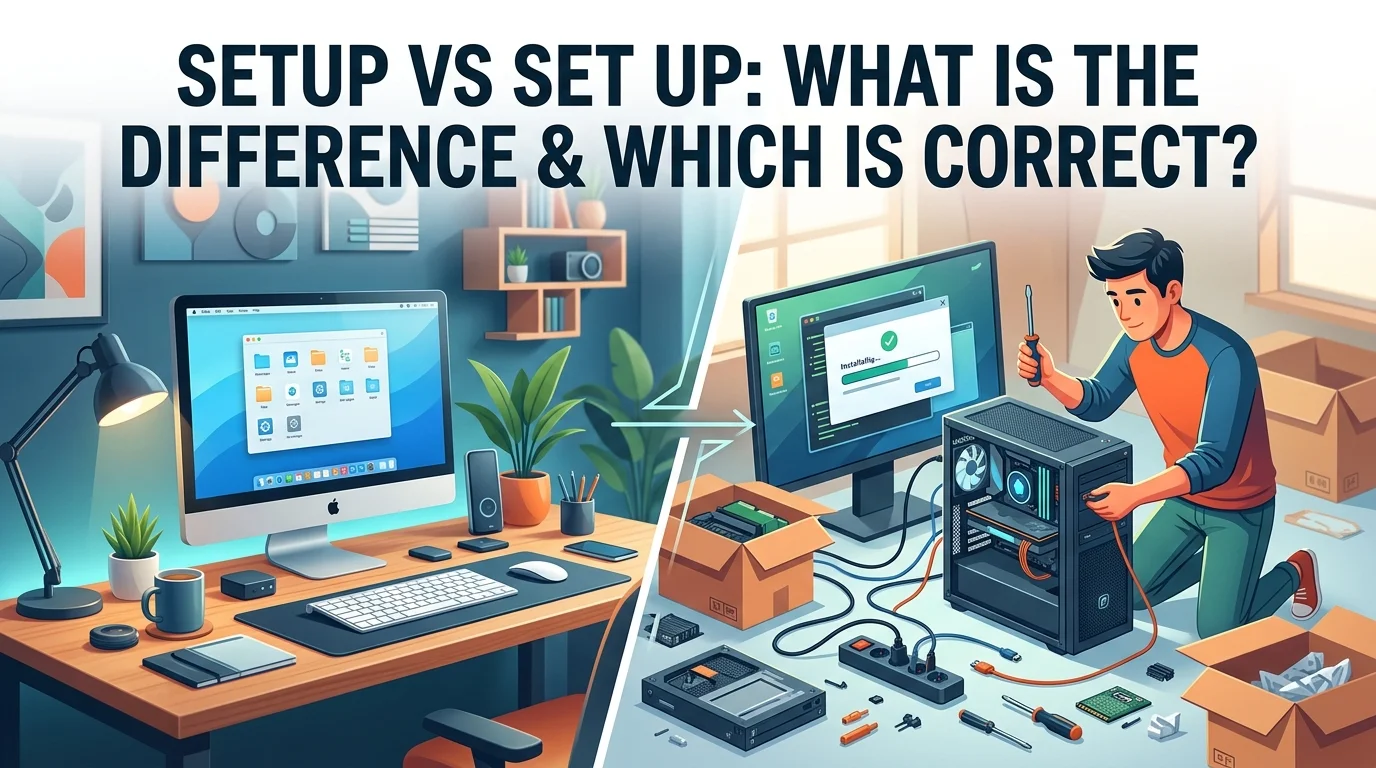
Many English learners confuse setup vs set up because they look almost identical. However, they have different grammatical roles and meanings. Knowing when to use … Read More
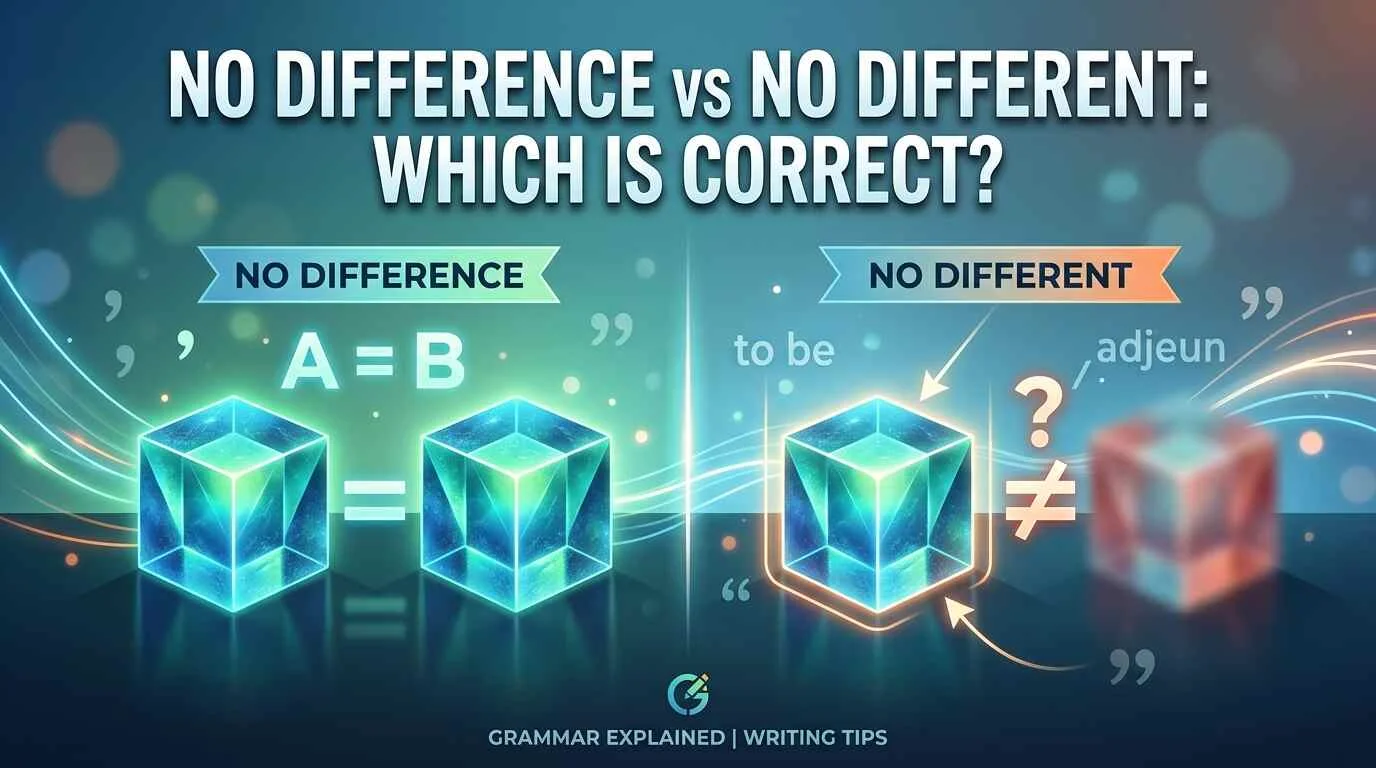
The phrases “no difference” vs“no different” look very similar, but they are used in different ways in English grammar. Many English learners confuse them because … Read More
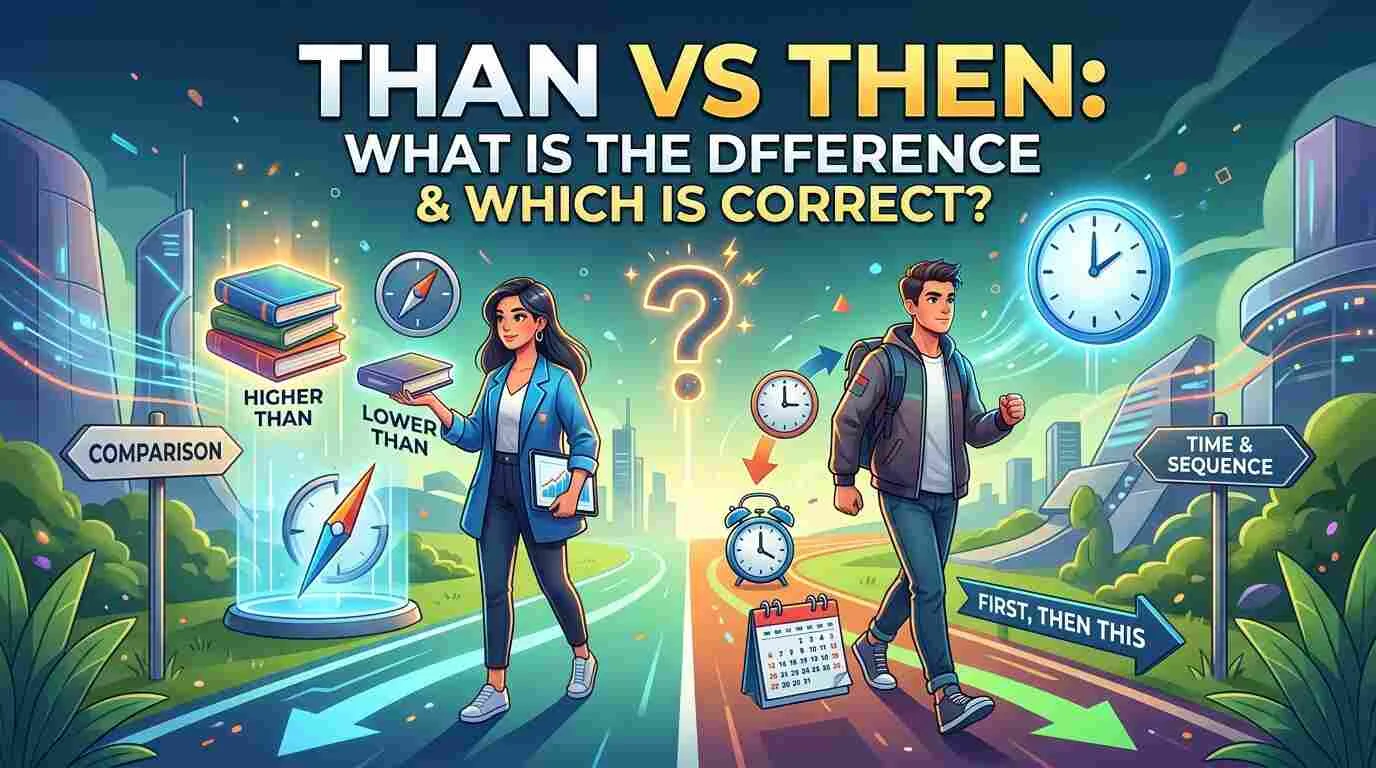
Many English learners confuse than and then because they look and sound similar. However, these two words have completely different meanings and grammatical functions. Knowing … Read More
Whether you’re writing stories, essays, poems, or everyday conversations, these comparisons make your language more expressive. In this guide, you’ll learn what angry similes are, … Read More
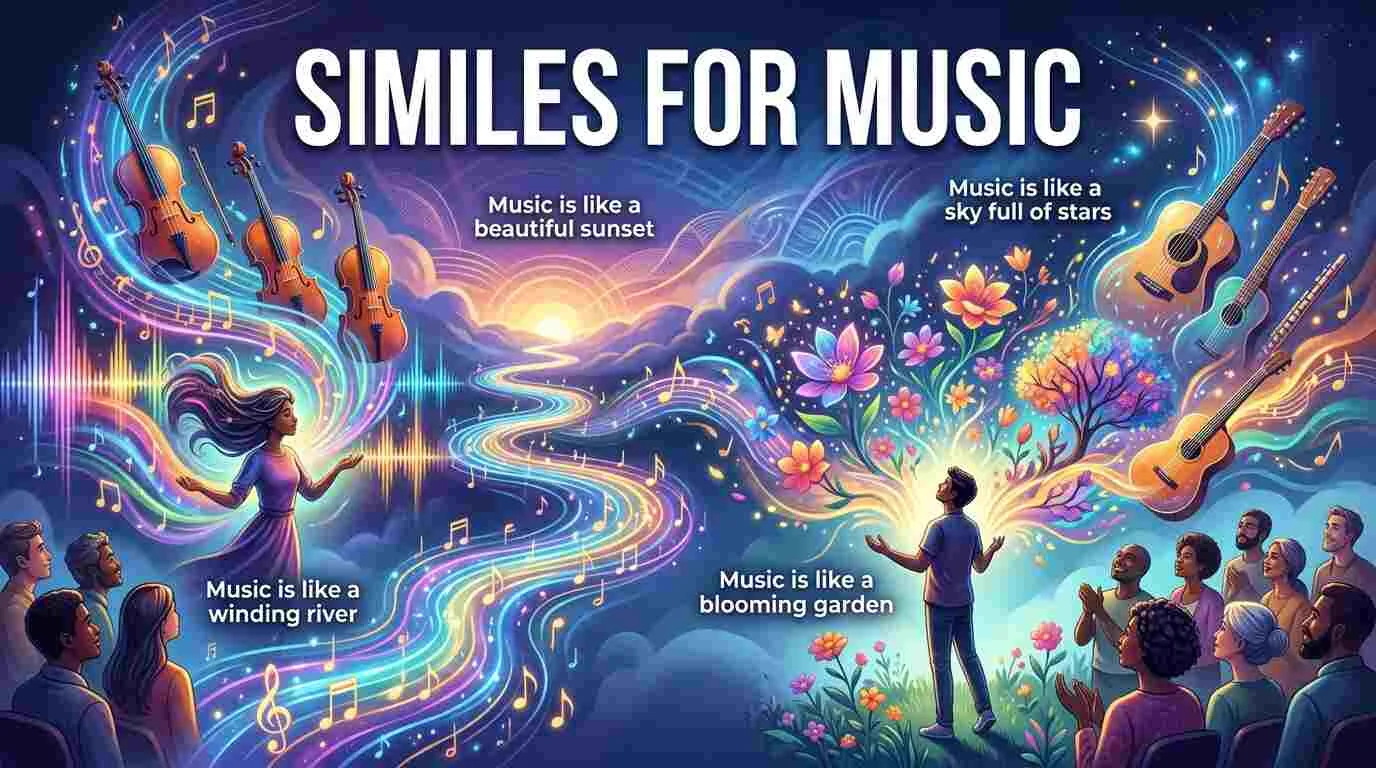
Musical Similes help writers describe melodies, rhythms, songs, and sounds vividly and memorably. Instead of saying music sounds “beautiful” or “loud,” a creative simile paints … Read More
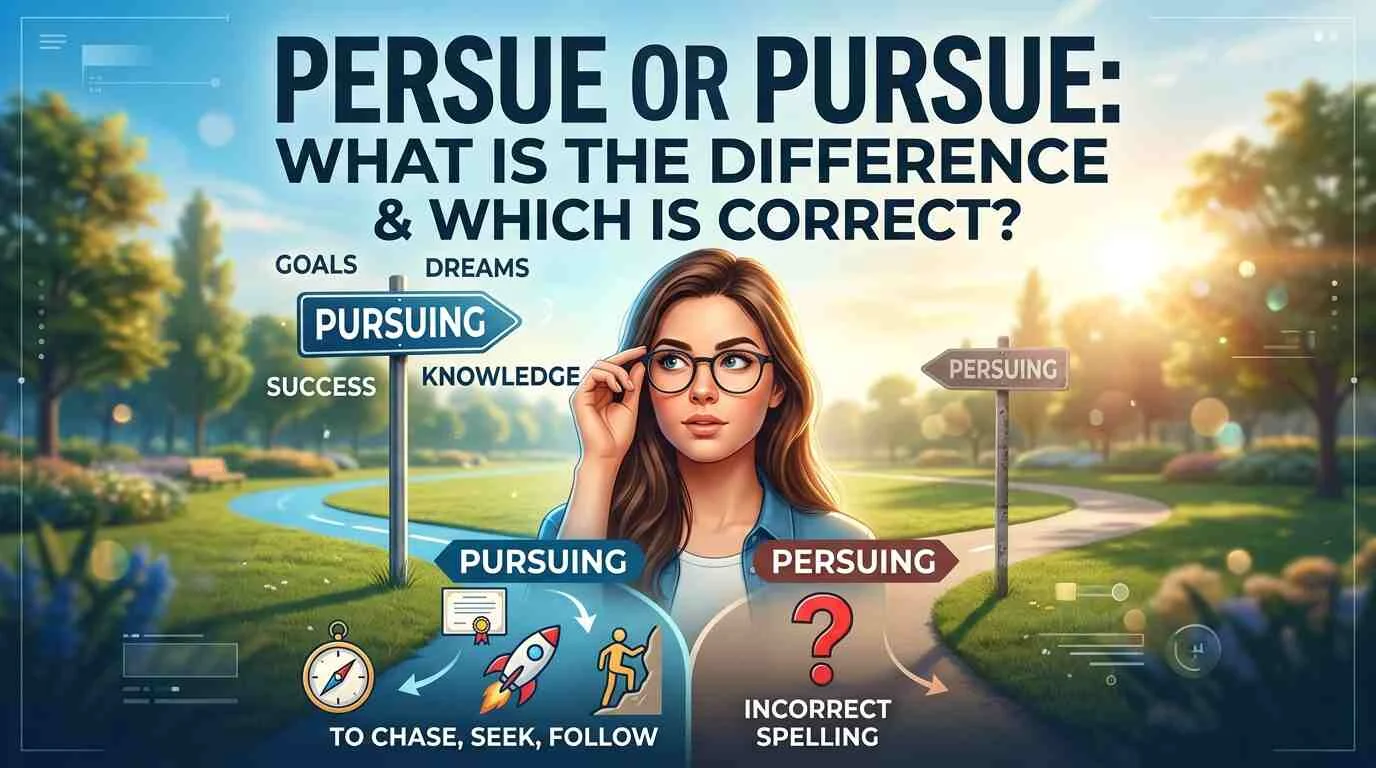
Many English learners get confused between persue or pursue because they look very similar. However, only one of these words is correct in modern English. … Read More
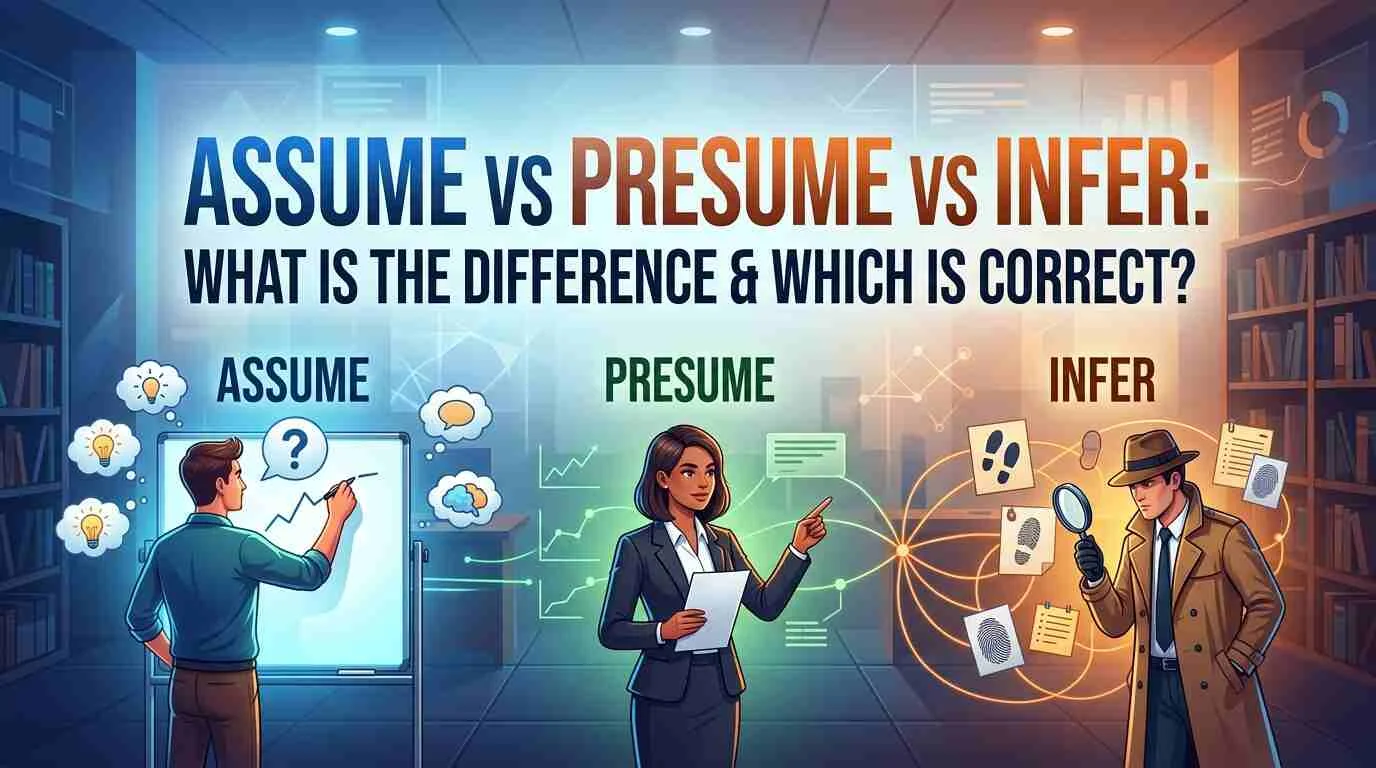
Many English learners confuse assume vs presume vs infer because all three involve concluding without complete information. However, each word has a different meaning and … Read More
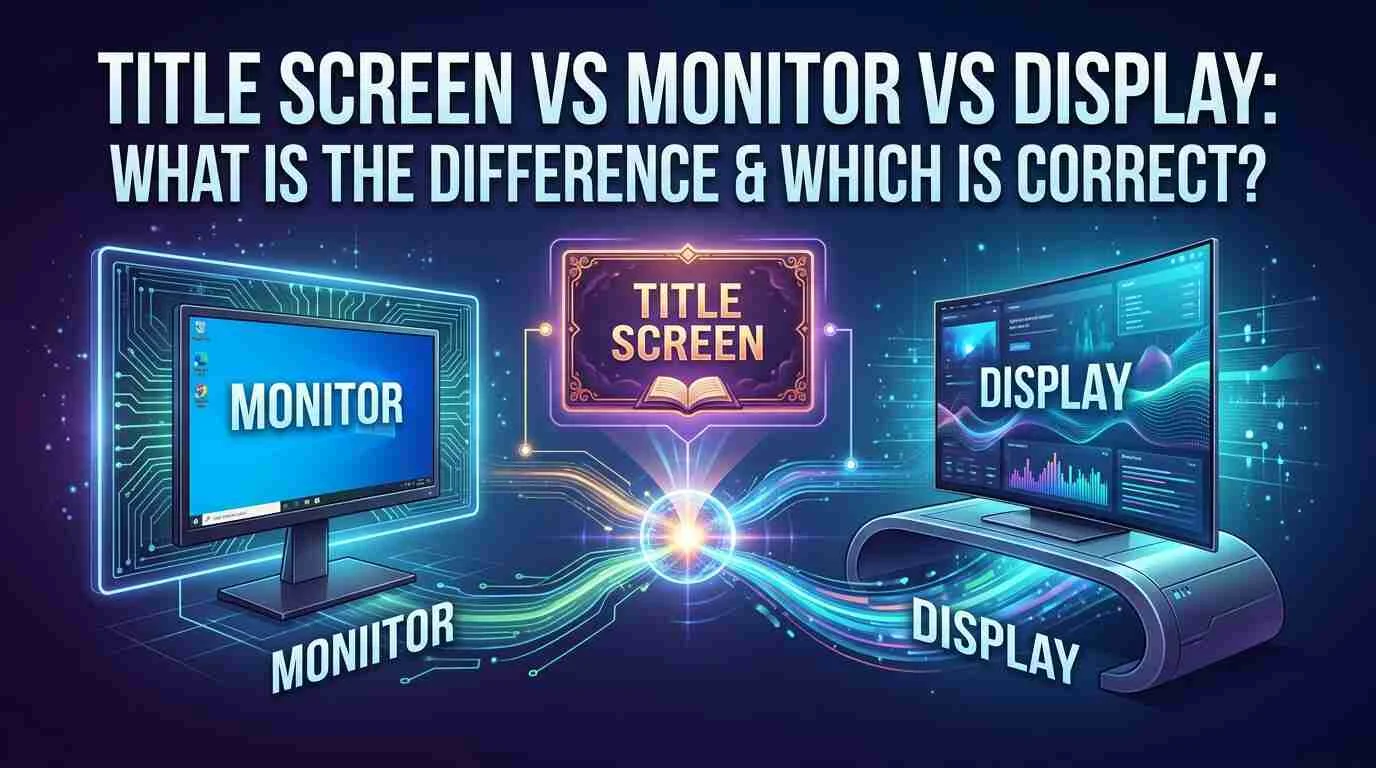
When people talk about computers, TVs, smartphones, or other electronic devices, they often use the words screen vs monitor vs display interchangeably. Although these terms … Read More
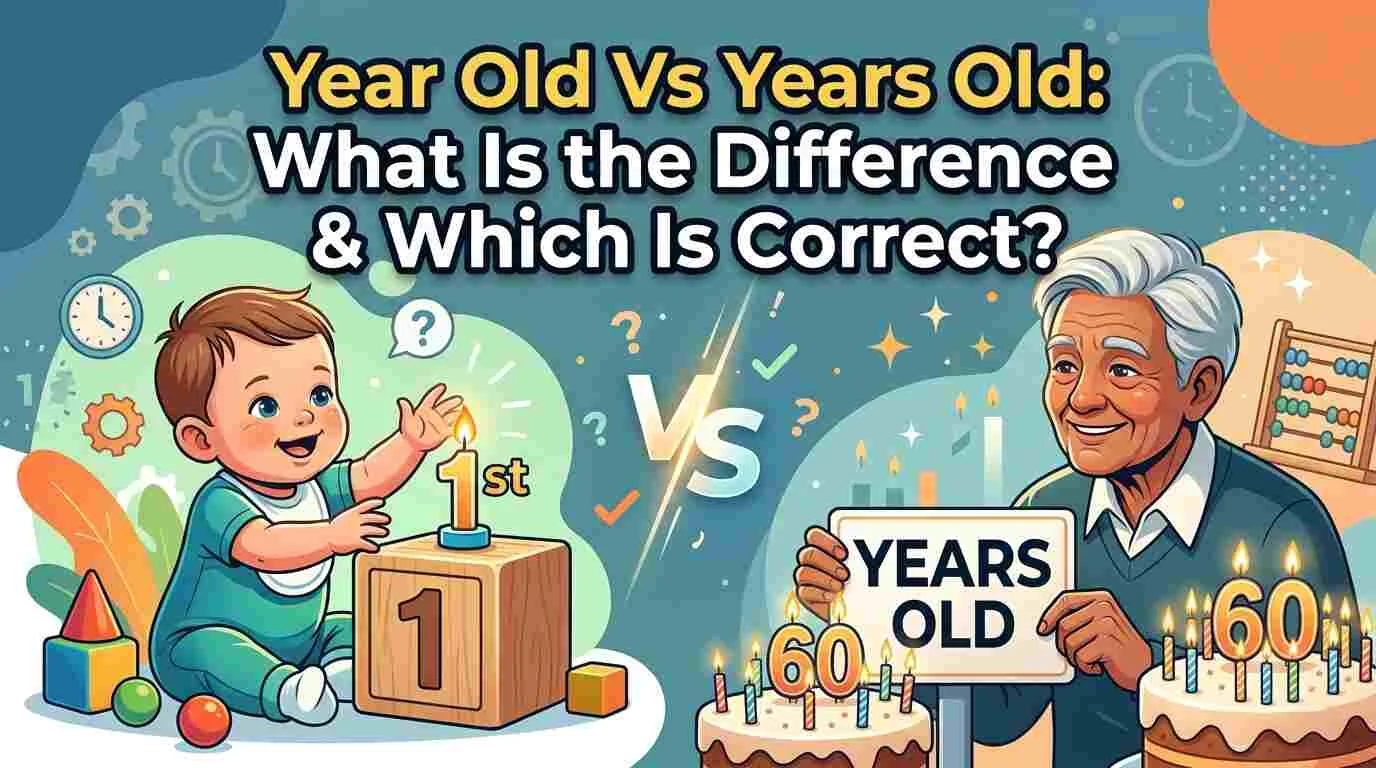
Many English learners get confused between year old vs years old because both phrases relate to age. However, they aren’t used the same way. Understanding … Read More
We provide clear, practical, and easy-to-understand language resources to help students, writers, professionals, and lifelong learners communicate with greater accuracy and confidence.
Contact Us